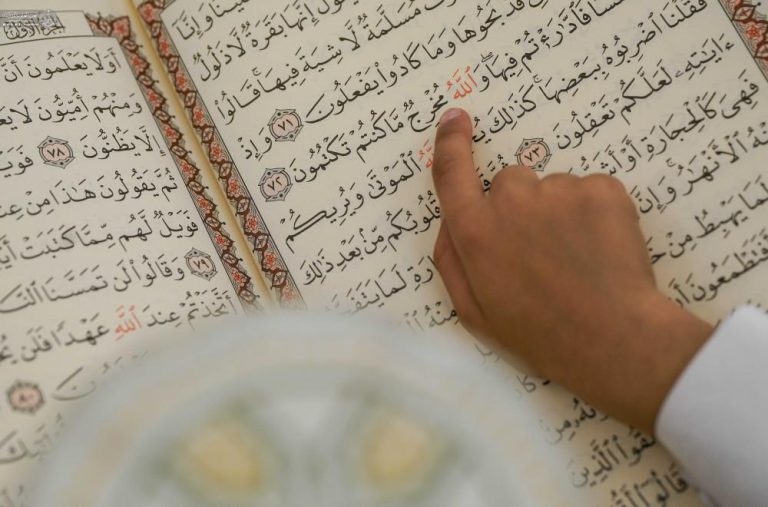

In every aspect of life—whether in the distribution of public funds, in his dealings with governors, or in addressing social matters—justice was the foundation of his conduct. What follows is a selection of narrations illustrating his extraordinary mastery in judgment, as well as his penetrating insights into the qualities of a competent judge.
The Appointment of Imam Ali (peace be upon him) to Judge in Yemen
The Messenger of God (peace be upon him and his family) described him by saying:
“The best judge among you after me is Ali.”
Notably, Imam Ali (peace be upon him) was the only one whom the Prophet Muhammad (peace be upon him and his family) appointed as judge without testing, despite his youth. This attests to his divine inspiration, judicial acumen, and unique fitness to be designated as the most discerning judge of the community.
Shaikh al-Mufid records that when the Prophet Muhammad (peace be upon him and his family) entrusted him with judgment among the people of Yemen, it was so that he might teach them the laws, clarify what is lawful and unlawful, and judge among them in accordance with the Qur’an. Imam Ali (peace be upon him) expressed concern about his youth and limited experience in adjudication, but the Prophet (peace be upon him and his family) called him closer, placed his hand upon his chest, and prayed:
“O Lord, guide his heart and make firm his tongue.”
Imam Ali (peace be upon him) later said:
“From that moment on, I never felt doubt while judging between two people.”
Imam Ali’s Guidance on the Selection of Judges
In his letter to Malik al-Ashtar, his appointed governor in Egypt, Imam Ali (peace be upon him) outlined the attributes of a worthy judge:
“Choose from among the people one whom you deem the most excellent and capable: one whom complex matters do not overwhelm; one whose patience is not eroded by the persistence of litigants; one who quickly corrects himself when he errs; one who does not give in to greed; who does not settle for partial understanding; who bears the burden of repeated inquiries with patience; and who delivers judgment decisively once the truth is clear. He should not be swayed by excessive praise, nor provoked by flattery. Such individuals are rare. When you find such a one, support him sufficiently so that he has no need of others, elevate his status so that none among your intimates dare exploit him, and shield him from interference. For indeed, religion has been mishandled by those who follow their desires and pursue worldly gain through it.”
Untrue Judges based on the commander of the faithful (pbuh)
Imam Ali (peace be upon him) also condemned those who assume judicial authority without merit:
“The most detested of people before God are two: one who, having been left to himself, strays from the path of truth, clings to innovation, and misguides others—he deceives those who are deceived by him, forsakes the guidance of the righteous, and leads astray those who follow him in life and death alike. He bears the burden of his own sins and the sins of those he misleads. The other is one who arrogates judgment without knowledge. He gathers ignorance to himself, confuses the people, and plunges them into error. He is blind in the darkness of trials, mistaken when called to correction, named ‘learned’ though he is utterly ignorant. His verdicts shed blood unjustly, and the oppressed cry out against him before God: ‘Lord, save us from people of ignorance who live in error and die in misguidance.’”
Imam Ali’s Judicial Brilliance
Imam Muhammad al-Baqir (peace be upon him) narrated that the Prophet Muhammad (peace be upon him and his family) once sent Imam Ali (peace be upon him) to Yemen. In one case, a runaway horse struck and killed a man. Imam Ali (peace be upon him) ruled that the death was accidental and no liability could be placed upon the owner, since the horse had escaped on its own. The heirs of the victim complained to the Prophet (peace be upon him and his family), alleging injustice. The Prophet replied:
“Ali is not unjust, nor was he created for oppression. After me, authority is with Ali—his judgment is my judgment, his word is my word. None rejects his judgment except the unbeliever, and none accepts it except the believer.”
The people of Yemen, upon hearing this, declared: “We are content with the judgment of Ali.” The Prophet (peace be upon him and his family) responded: “Your acceptance is itself repentance for what you said before.”
The Case of the Six-Month Child
Another example of his judicial insight involved a woman who gave birth after six months of pregnancy. Umar had sentenced her to stoning, assuming immorality. Imam Ali (peace be upon him) contested the ruling, citing the Qur’an:
- “The bearing of him and the weaning of him is thirty months”.
- “Mothers shall suckle their children for two complete years”.
He reasoned: If breastfeeding is two full years (twenty-four months), then pregnancy could be as short as six months, completing the thirty months. Thus, the woman’s case was within the bounds of divine law. Umar rescinded the sentence, and this judgment became a precedent among the Companions and their successors.
Conclusion
The judicial wisdom of Imam Ali (peace be upon him) was rooted in the Qur’an and surpassed ordinary reasoning, revealing depths that only the most enlightened could perceive. His judgments combined fairness, clarity, and insight, leaving minds astonished and setting enduring precedents. Indeed, the personality of Imam Ali (peace be upon him) is not only extraordinary but stands as one of the living miracles of Islam—embodying justice, divine guidance, and intellectual brilliance across all ages.