All the tragedies of the world began in those days—the first days of Rabi al-Awwal.
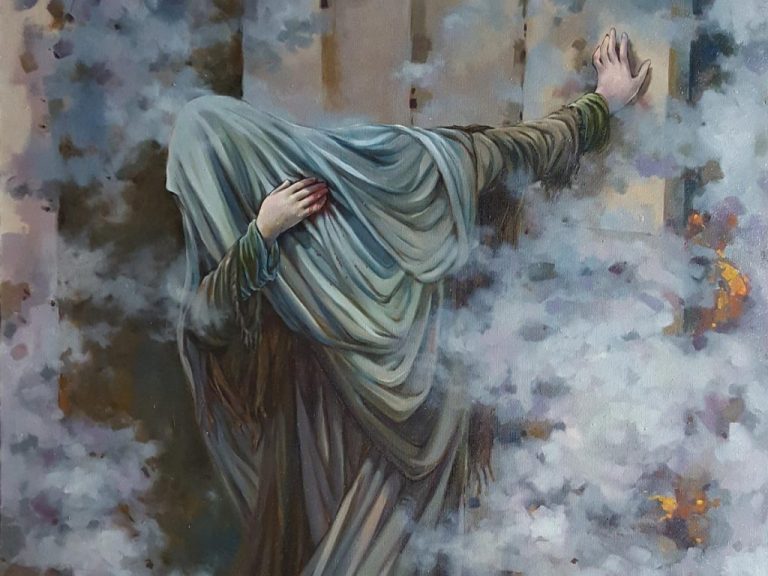
In those painful days, the house of the Prophet Muhammad’s family was attacked repeatedly by the enemies of truth. The right of Imam Ali (peace be upon him) was usurped, and daughter of the Prophet (peace be upon him and his family), Lady Fatimah al-Zahra (peace be upon her), attained martyrdom only a short time after her father’s passing.
Regarding the date of her martyrdom, historians mention fourteen different opinions, but three are most widely known:
- 40 days after the Prophet’s martyrdom,
- 75 days after the Prophet’s martyrdom,
- 95 days after the Prophet’s martyrdom.
The view of 40 days is documented in reliable sources such as:
- Muruj al-Dhahab by al-Masudi,
- Rawdat al-Wa‘izin by al-Fattal al-Nishapuri,
- Manaqib Ali ibn Abi Talib by Ibn Shahrashub,
- Kashf al-Ghumma by al-Irbili,
- and Bihar al-Anwar by Allama al-Majlisi.
Al-Masudi (4th century AH) writes:
“Fatimah passed away (killed) forty days after the Prophet Muhammad (pbuh & his family).”
Al-Fattal (5th century AH) and Ibn Shahrashub (6th century AH) record:
“Fatimah, forty nights after the Prophet, made her will and departed from this world.”
Allama al-Majlisi in Bihar al-Anwar narrates from Salman al-Farsi that the Prophet (peace be upon him and his family) said to his daughter:
“O Fatimah, you will be wronged, your right will be taken away, and you will be the first of my family to join me—forty days after me. O Fatimah, whoever befriends you is my friend, and whoever shows enmity toward you is my enemy.”
The Tradition of “Fatimiyyah” Mourning
The first Fatimiyyah (marking forty days) from the 8th to the 13th of Rabi al-Thani, has historically been one of the well-known periods of mourning in Iraq, especially in Najaf.
Although the third Fatimiyyah (95 days) became more prominent over time—the mourning of the 40-day Fatimiyyah was also widespread. Scholars and the faithful held extensive gatherings, recited elegies, and organized mourning processions.
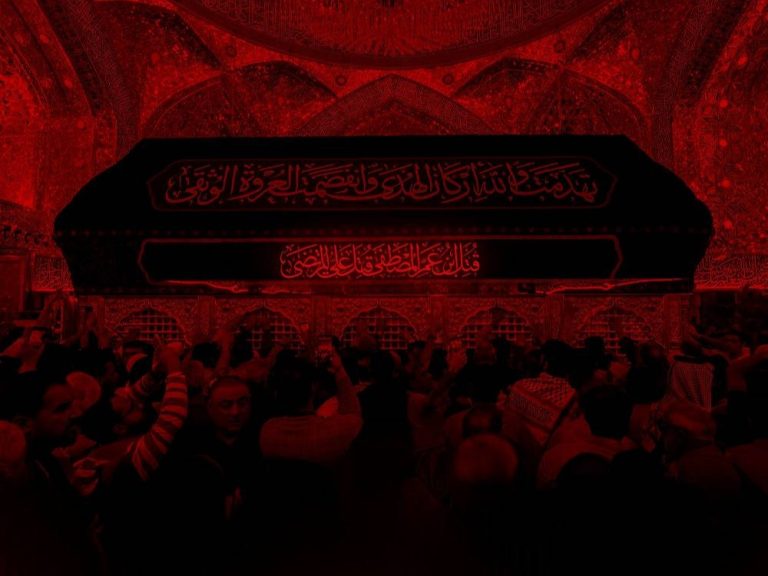
Even today, this tradition continues in Najaf. On the basis of the 40-day narration, believers gather at the shrine of Imam Ali (peace be upon him) to mourn, remember the oppression of Lady Fatimah (peace be upon her), and offer condolences for her martyrdom.