Amir al-Muminin (peace be upon him) was not only an ocean of piety but also incomparable in renunciation of the world. Historians and transmitters record striking portraits of his ascetic lifestyle in his dress, nourishment, and manner of living. What follows is but a glimpse of that luminous example.
Garments of Humility
Though he valued cleanliness, he cared little for fabric or texture. He wore coarse cloth, often a single garment without a spare. This was not neglect but deliberate detachment from worldly luxury and solidarity with the poor.
He appeared among the people wearing patched garments, declaring,
“These humble clothes bring the heart to humility; when a believer sees me in them, he too is inclined to follow.”
Abu Ishaq relates:
“As a child upon my father’s shoulders, I watched Amir al-Muminin (peace be upon him), the Commander of the Faithful, deliver a sermon while fanning himself with his sleeve. I asked if he was hot. My father replied, “Neither hot nor cold—he has washed his only garment and waits for it to dry.”
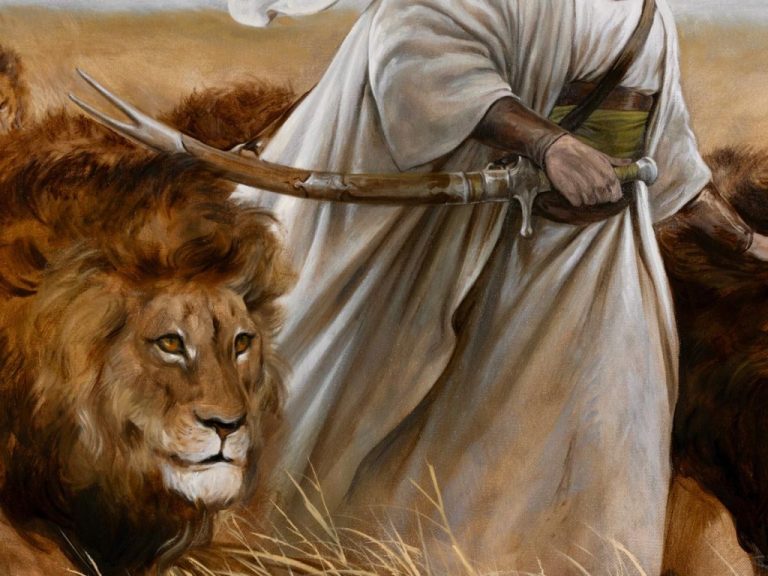
Ali ibn Aqmar narrates that the Imam once offered his sword for sale in the market, saying,
“By God, this sword shielded the Prophet many times. Were it not that I lack another garment, I would never part with it.”
The Table of One Who Divorced the World
Amir al-Muminin (peace be upon him) abstained from rich foods, sustaining himself with bread and salt, occasionally vinegar or milk. During the Prophet’s time, hunger drove him to bind stones upon his stomach. He ate little meat and admonished,
“Do not turn your bellies into graveyards of animals. Whoever ignites fire in his stomach distances himself from divine mercy.”
Suwayd ibn Ghaflah recounts, “I visited Ali and found him with a bowl of sour milk in one hand and coarse barley bread in the other. The Commander of the Faithful broke it with difficulty, sometimes using his knee, and soaked it in the milk. He invited me to join, but I was fasting. He replied, “I heard the Prophet say, ‘Whoever abstains from food he desires because of fasting, God will feed him from the food of Paradise.’”
On his final day in Ramadan, he broke his fast with bread and salt, refusing milk that his daughter Umm Kulthum had brought. Instead, he summoned orphans and fed them honey until companions remarked, “Would that we were orphans!”
Wealth Distributed, Not Consumed
Though immense revenues from across the Islamic lands—except al-Sham (current Syria)—flowed to his treasury, Amir al-Muminin (peace be upon him) reserved nothing for himself. All was distributed among the needy. Truly, he was one who had divorced the world and clothed himself only in God’s nearness.