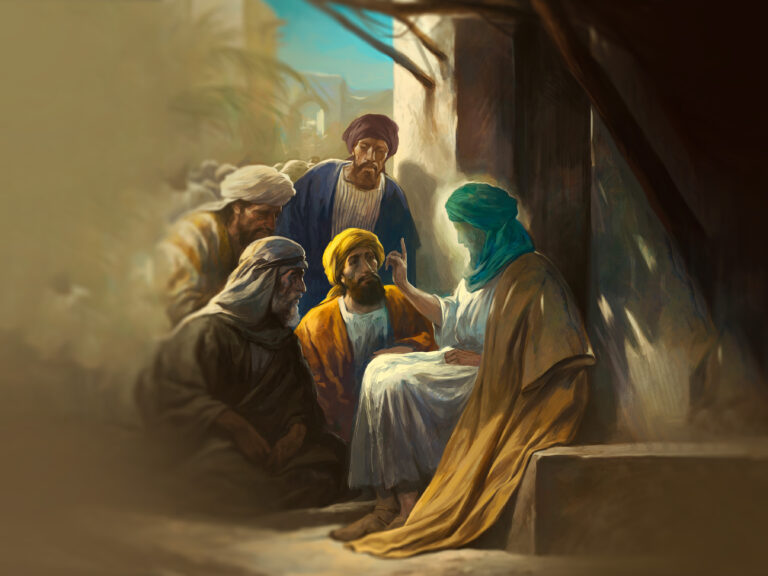
Amir al-Muminin Ali (peace be upon him) would say:
“Ask me before you lose me.”[1]
This statement reflected the divine knowledge, spoken by the blessed tongue of the “Gate of the City of Knowledge.” His knowledge was not limited to what is ordinarily learned by human beings. By God’s permission, he possessed a special knowledge for the guidance of the community.
By contrast, the following is reported from Abu Bakr:
“Relieve me.”[2]
From the Shia doctrinal perspective, these two statements place a fundamental question before history: why did the Muslim community not benefit from the authority of an Imam who invited people to ask, in the position of political leadership?
The difference was not merely between two individuals. The matter concerned the place of divine knowledge in guiding the community.
“Ask me” was an invitation to benefit from divine knowledge. But did the Muslim community appreciate this opportunity?
Throughout history, Shia scholars and poets have put this question to every truth-seeker: are these two men alike? Is “Ask me” equal to “Relieve me”?
The first to raise this question in people’s minds was Amir al-Muminin (peace be upon him) himself, who said in the Shaqshaqiyyah sermon:
“How strange! In his lifetime he asked to be relieved of it, yet at his death he secured it for another.”[3]
References
- Nahj al-Balaghah, Sermon 189:
«سَلوني قَبلَ أن تَفقدوني»
- Muhibb al-Din al-Tabari, a Sunni scholar of the seventh century AH, in Al-Riyad al-Nadirah, in a separate chapter titled “Mention of Abu Bakr’s Resignation from the Pledge of Allegiance” (a request to step down from the pledge), reports numerous accounts on this subject:
«أقيلوني»
- Nahj al-Balaghah, Sermon 3 (the Shaqshaqiyyah):
«فَيا عَجَبا بَينا هُوَ يَستَقيلُها في حَياتِهِ إذ عَقَدَها لآخَرَ بَعدَ وَفاتِهِ»