The al-Nathm Center of the Planning and Development Unit at the Holy Alawi Shrine is carrying forward its dedicated program for the days of Arbaeen of Imam al-Hussain (peace be upon him) through five strategic pillars. These pillars have been designed to support service and operational activities and to build a scientific database, so that they can play a meaningful role in improving the planning of pilgrimages that draw millions of visitors.
The center’s deputy director, Mustafa Mohammad Al-Haidar, told the Holy Alawi Shrine News Center:
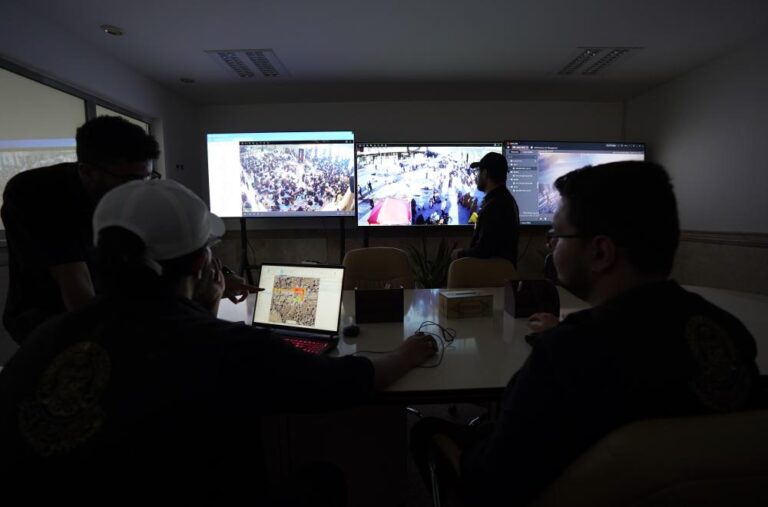
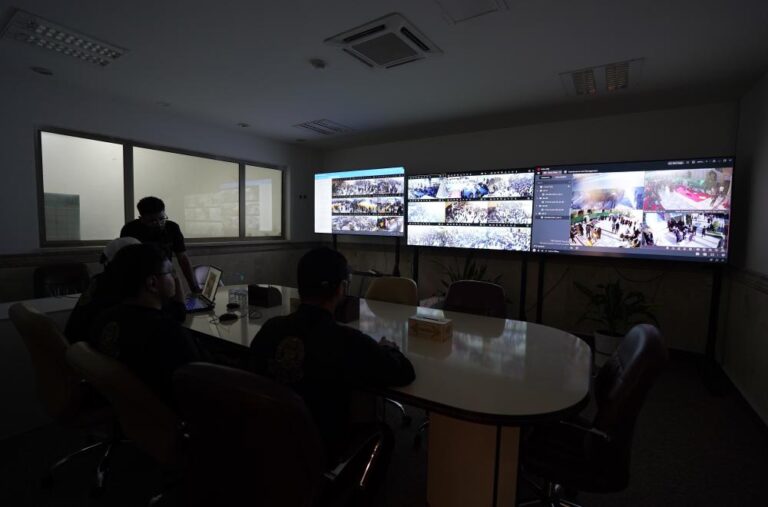
“This center operates during the pilgrimage season around five main pillars: monitoring, statistics, evaluation, crowd management, and training.”
He added:
“Together, these pillars form a coherent system that, by tracking conditions on the ground, analyzing data, and boosting the efficiency of services, lays the groundwork for delivering better services to pilgrims.”
He went on to explain:
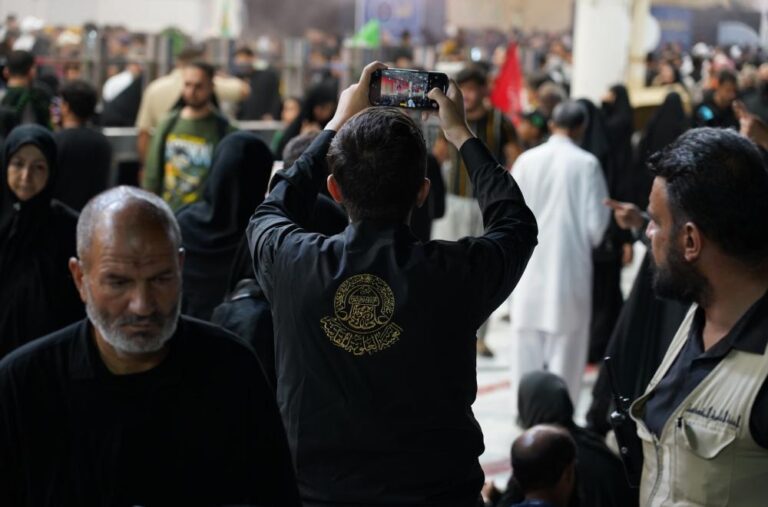
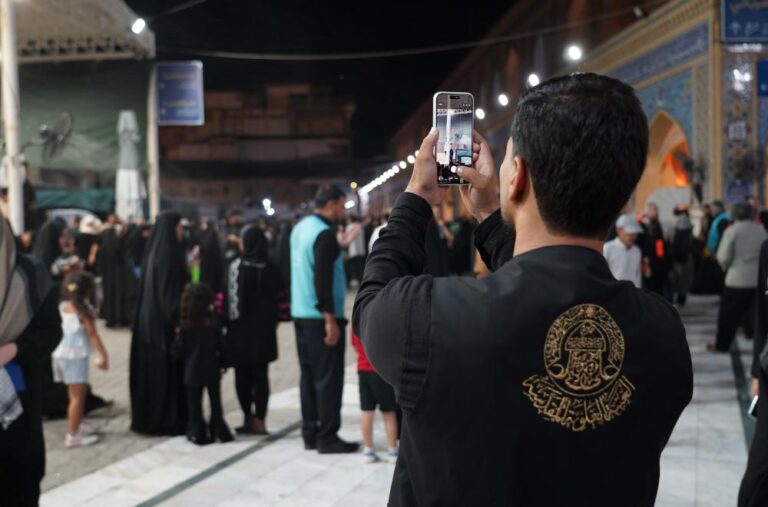
“The monitoring pillar is responsible for assessing conditions and recording observations throughout the old quarter of Najaf and the areas surrounding the sacred Alawi shrine. Field teams stationed on-site document a wide range of issues, identify strengths and weaknesses, and refer matters requiring urgent attention to the relevant departments. Suggestions for improvement and future development are also recorded for use in upcoming plans.”
He noted:
“One hundred and twenty workers are active in various sections under this pillar, using an electronic system to send recorded reports directly to the responsible units. This mechanism speeds up the handling of service and operational challenges, including matters related to environmental cleanliness, water supply, security affairs, health services, and other issues.”
On the statistics pillar, he said:
“This is one of the most important foundations for future planning, and it is responsible for building a comprehensive, centralized database comprising more than 3,500 statistical indicators. This information is gathered from all points of entry, departments, and service centers affiliated with the Holy Alawi Shrine, forming the basis for drawing up operational plans for the millions-strong pilgrimages yet to come.”
He added:
“Twenty-five workers are responsible for carrying out statistical operations in the field, visiting service and administrative departments to collect and document information. This data provides accurate, reliable indicators to support decision-making and improve organizational performance.”
The al-Nathm Center of the Planning and Development Unit also places strong emphasis on recording and documenting successful practices and reinforcing existing strengths, with the aim of continually raising the level of service provided to pilgrims. This goal is pursued through better organization of pilgrim movement and by strengthening the capacity of service personnel, in keeping with the scale and demands of the millions-strong Arbaeen pilgrimage.