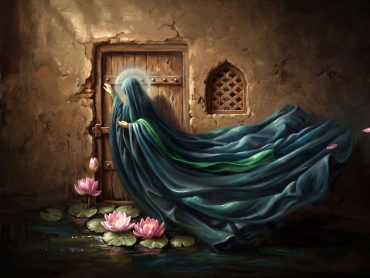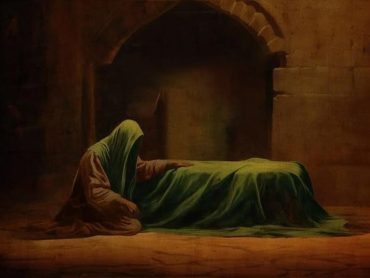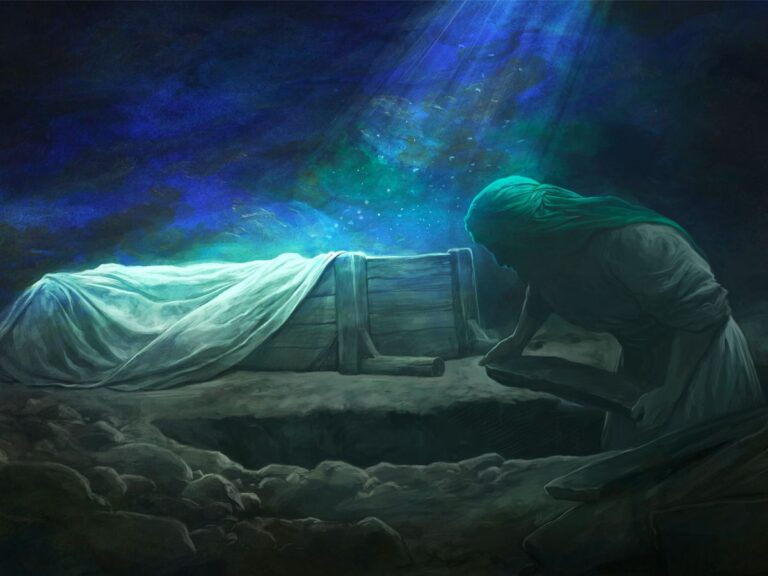
After the martyrdom of the Prophet (peace be upon him and his family), Lady Fatimah (peace be upon her) was displeased with the injustices inflicted on her and her family. This displeasure was also evident in her final instructions: those who had seized her right were not to attend her funeral or pray over her body, and she was to be buried at night. The concealment of her grave has likewise kept the memory of this protest and of her oppression alive across the centuries
In the will that Allamah Majlisi relates from *Rawdat al-Waizin*, she says to Amir al-Muminin (peace be upon him):
“I charge you that none of those who wronged me and seized my right attend my funeral, for they are my enemies and the enemies of the Messenger of Allah (peace be upon him and his family). Let none of them, nor any of their followers, pray over me. And bury me at night, when the eyes have grown still and the sights have slept.”[1]
Shaikh Saduq also relates that Imam al-Sadiq (peace be upon him) was asked why Lady Fatimah (peace be upon her) was buried at night. He replied:
“Because she had instructed that the two men not pray over her.”[2]
Aisha’s report in *Sahih al-Bukhari* and *Sahih Muslim* tells of this very night burial. Fatimah (peace be upon her) was displeased with Abu Bakr and did not speak to him until the end of her life. When she passed away, Ali (peace be upon him) buried her at night, did not inform Abu Bakr, and himself prayed over her.[3]
Ibn Abi al-Hadid also states his own view:
“In my opinion, the correct position is that Fatimah departed this world while angry with Abu Bakr and Umar, and she instructed that the two of them not pray over her.”[4]
In a report from al-Waqidi, Ali (peace be upon him), together with al-Abbas and al-Fadl, buried her at night and prayed over her, without informing anyone else.[5]
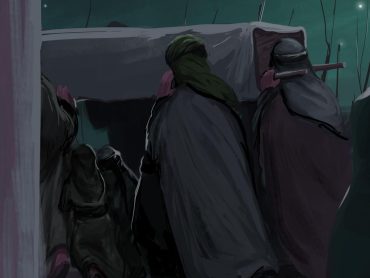
A detailed report on how the secrecy of the grave was preserved appears in *Dalail al-Imamah*. In the continuation of the account of Muhammad ibn Hammam, we read that Amir al-Muminin (peace be upon him) washed her body, and no one was present except al-Hasan, al-Hussain, Zaynab, Umm Kulthum, Fiddah, and Asma bint Umays. Then, at night, together with al-Hasan and al-Hussain (peace be upon them), he carried her body to al-Baqi and prayed over it. The rest of the people did not learn of the ceremony and did not attend. In this report the burial place is called “the Rawdah.” It also states that the sign of the grave was effaced, and that on the morning after that night, forty fresh graves were seen in al-Baqi.
According to the rest of the same account, when the people learned of her passing, they went to al-Baqi but could not tell her grave apart from the fresh graves. Amid wailing and mutual reproach, they said: “Your Prophet left only one daughter among you. She died and was buried, and you did not attend her passing, her burial, or the prayer over her. Now you do not even know her grave!” Those in authority wanted to bring Muslim women to open the graves, find her body, pray over her, and visit her grave.
When the news reached Ali (peace be upon him), he came out in anger, his eyes red and the veins of his neck swollen, wearing the yellow cloak he used to put on in every hardship of battle, and leaning on Dhul-Fiqar until he reached al-Baqi. Someone went ahead to warn the people of his coming and of his oath that if a single stone were moved from these graves, he would put the sword to the necks of those who gave the order. Umar and his companions came forward and said: “What is the matter with you, Abu al-Hasan? By Allah, we will dig up her grave and pray over her.” Ali (peace be upon him) seized the folds of Umar’s garment, shook him, and threw him to the ground. He said: “O son of the black woman, as for my right, I gave it up for fear that people would turn away from their religion. But as for the grave of Fatimah, by Him in whose hand is the soul of Ali, if you and your companions attempt any of that, I will water the earth with your blood. If you wish, then go ahead, O Umar.” Abu Bakr came forward and adjured him, by the right of the Messenger of Allah and by the One above the Throne, to let Umar go, saying that they would do nothing he disliked. Ali (peace be upon him) released him, and the people dispersed and abandoned that decision.[6]
Despite these reports, we do not know today of an evident, agreed-upon grave for her. This does not mean the narrations offer no indication at all. Three principal possibilities have been put forward regarding the burial place: her house, the Rawdah of the Prophet, and al-Baqi.
On burial in her house, Ahmad ibn Muhammad ibn Abi Nasr al-Bazanti reports, with a reliable chain of transmission, from Imam al-Rida (peace be upon him):
“She was buried in her house. When the Umayyads expanded the mosque, her burial place came to be inside the mosque.”[7]
In another narration, al-Bazanti puts the same question to Imam al-Rida (peace be upon him), who relates the story of a man who asked Imam al-Sadiq (peace be upon him) about the burial place of Lady Fatimah (peace be upon her) in the presence of Isa ibn Musa. Isa said: “She was buried in al-Baqi.” The man asked the Imam to give his own view, and the Imam said: “He has told you.” The man insisted: “May Allah keep you well, what have I to do with Isa ibn Musa? Tell me from your forefathers.” The Imam said: “She was buried in her house.”[8]
Shaikh Saduq holds the narration of burial in the house to be correct, and Allamah Majlisi likewise prefers this view.[9] Shaikh al-Hurr al-Amili also accepted it and, because the other reports agree with Sunni positions, regarded them as stated out of taqiyyah, that is, as speech suited to circumstances in which disclosing the true opinion was either not possible or not safe.[10]
Against this view, some reports speak of burial in the “Rawdah,” the area between the Prophet’s grave and his pulpit (peace be upon him and his family). In a narration from Imam al-Sadiq (peace be upon him), after the Prophet’s saying, “Between my grave and my pulpit is a garden from the gardens of Paradise, and my pulpit stands upon one of the gates of Paradise,” it is stated that the grave of Fatimah (peace be upon her) lies between the Prophet’s grave and his pulpit, and that her grave is a garden from the gardens of Paradise.[11] Shaikh al-Mufid also writes, in the instructions for visitation:
“Stand at the Rawdah and visit Fatimah (peace be upon her), for she is buried there.”[12]
The report in *Dalail al-Imamah* mentioned earlier also used the term “Rawdah.” However, since the same report speaks of carrying the body to al-Baqi, the word cannot be taken, without further study, to mean the area between the grave and the pulpit.
On the other hand, the house and the Rawdah have not necessarily been regarded as two wholly incompatible possibilities. Shaikh al-Tusi considers these two reports close to each other and recommends visiting her at both places, though he regards burial in al-Baqi as remote from the truth.[13]
The third possibility, burial in al-Baqi, places her in the area where the graves of the Imams of al-Baqi are located. In a report attributed to Ibn Abbas, when they wished to bury her, a voice called from a part of the ground of al-Baqi: “Come to me, come to me, for her earth has been lifted from me.” They saw a grave already dug and buried the body in it. Ali (peace be upon him) sat at the edge of the grave and said: “O earth, I entrust to you my trust. This is the daughter of the Messenger of Allah.” The reply came: “O Ali, I am gentler with her than you are. Return, and do not grieve.” Then the grave closed and became level with the ground. At the end of this report it is said that its place remained unknown until the Day of Resurrection.[14]
Ali ibn Isa al-Irbili gives another report in *Kashf al-Ghummah*. Ali (peace be upon him) said to Asma: “Wash her, apply hanut to her, and shroud her.” Lady Fatimah’s body was then washed, anointed with hanut, and shrouded. They prayed over her at night and buried her in al-Baqi. The same report states that her passing took place after the afternoon prayer (asr).[15] Nur al-Din Ali ibn Ahmad al-Samhudi, a Sunni scholar, after examining the various opinions in *Wafa al-Wafa*, also preferred burial in al-Baqi, near the burial place of Imam al-Hasan (peace be upon him).[16]
Given the explicit narration from Imam al-Rida (peace be upon him), which is sound in its chain of transmission, and its preference among a number of Shia scholars, burial in the house appears the stronger possibility. The circumstances of a concealed burial are also more consistent with it. In a house, it was easier to limit those present and to hide the location of the grave, whereas moving the body into a public space would have raised the chance of being seen. Of course, this indication alone does not make a concealed burial elsewhere impossible.
It is therefore reasonable to regard the house as the most probable burial place, without claiming that the exact location of the grave is clear to everyone today. Alongside the disagreement among the reports, what stands out is her will that the oppressors not attend her funeral, and the fidelity of Amir al-Muminin (peace be upon him) to that wish. The night burial and the hidden grave have kept the memory of that will alive.
References
[1] Fattal al-Nishapuri, *Rawdat al-Waizin*, vol. 1, p. 151, session on the passing of Fatimah (peace be upon her), Manshurat al-Sharif al-Radi edition. Persian rendering in *Jala al-Uyun*, p. 270. The will reads: «أوصيك أن لا يشهد أحد جنازتي من هؤلاء الذين ظلموني، وأخذوا حقي فإنهم أعدائي وأعداء رسول الله صلى الله عليه وآله، وأن لا يصلي علي أحد منهم، ولا من أتباعهم، وادفني في الليل إذا هدأت العيون ونامت الأبصار.»
[2] Saduq, *Ilal al-Sharai*, vol. 1, p. 185, chapter 149, hadith 1 (serial no. 340): «سألت أبا عبد الله عليه السلام لأي علة دفنت فاطمة عليها السلام بالليل ولم تدفن بالنهار؟ قال: لأنها أوصت أن لا يصلي عليها رجال». Variant readings give «الرجلان» and «الرجلان الأعرابيان»; the translation follows the variant «الرجلان». After citing the hadith, Majlisi adds a separate comment in *Bihar al-Anwar*: «بيان: الأعرابيان: الكافران لقوله تعالى: الأعراب أشد كفرا ونفاقا». This is Majlisi’s explanation, not a statement of the Imam.
[3] Bukhari, *al-Sahih*, Kitab al-Maghazi, chapter on the Battle of Khaybar, hadiths 4240 and 4241; Muslim, *al-Sahih*, Kitab al-Jihad wa al-Siyar, hadith 1759: «فوجدت فاطمة على أبي بكر في ذلك فهجرته فلم تكلمه حتى توفيت … فلما توفيت دفنها زوجها علي ليلا، ولم يؤذن بها أبا بكر، وصلى عليها». In Muslim: «وصلى عليها علي». See also: *Sharh Nahj al-Balaghah*, vol. 16, pp. 217–218; *al-Ghadir*, vol. 7, p. 227; *Sharh Ihqaq al-Haqq*, vol. 10, pp. 478–481; *Fadail al-Khamsah*, vol. 3, p. 156.
[4] Ibn Abi al-Hadid, *Sharh Nahj al-Balaghah*, vol. 6, p. 50: «والصحيح عندي أنها ماتت وهي واجدة على أبي بكر وعمر، وأنها أوصت ألا يصليا عليها». This is Ibn Abi al-Hadid’s own view, not a hadith. He goes on to give a different theological assessment: «وذلك عند أصحابنا من الأمور المغفورة لهما».
[5] Al-Halabi, *al-Sirah al-Halabiyyah*, Dar al-Marifah, Beirut, 1400 AH, vol. 3, p. 487: «وقال الواقدي: وثبت عندنا أن عليًّا كرّم الله وجهه دفنها رضي الله تعالى عنها ليلاً، وصلّى عليها ومعه العباس والفضل رضي الله تعالى عنهم، ولم يُعلِموا بها أحدًا».
[6] Al-Tabari al-Imami, *Dalail al-Imamah*, ed. Mu’assasat al-Bi’thah, pp. 136–137, continuation of the report of Muhammad ibn Hammam; also *Bihar al-Anwar*, vol. 43, pp. 171–172. The Arabic of the passage used: «فغسلها أمير المؤمنين عليه السلام، ولم يحضرها غيره، والحسن، والحسين، وزينب، وأم كلثوم، وفضة جاريتها، وأسماء بنت عميس، وأخرجها إلى البقيع في الليل، ومعه الحسن والحسين، وصلى عليها، ولم يعلم بها، ولا حضر وفاتها، ولا صلى عليها أحد من سائر الناس غيرهم، ودفنها في الروضة، وعفى موضع قبرها، وأصبح البقيع ليلة دفنت وفيه أربعون قبرا جددا. وإن المسلمين لما علموا وفاتها جاءوا إلى البقيع، فوجدوا فيه أربعين قبرا، فأشكل عليهم قبرها من سائر القبور، فضج الناس ولام بعضهم بعضا، وقالوا: لم يخلف نبيكم فيكم إلا بنتا واحدة، تموت وتدفن ولم تحضروا وفاتها ولا دفنها ولا الصلاة عليها! بل ولم تعرفوا قبرها! فقال ولاة الأمر منهم: هاتوا من نساء المسلمين من ينبش هذه القبور حتى نجدها فنصلي عليها ونزور قبرها. فبلغ ذلك أمير المؤمنين صلوات الله عليه، فخرج مغضبا قد احمرت عيناه، ودرت أوداجه، وعليه قباؤه الأصفر الذي كان يلبسه في كل كريهة، وهو يتوكأ على سيفه ذي الفقار، حتى ورد البقيع، فسار إلى الناس من أنذرهم، وقال: هذا علي بن أبي طالب قد أقبل كما ترونه، يقسم بالله لئن حول من هذه القبور حجر ليضعن السيف في رقاب الآمرين. فتلقاه عمر ومن معه من أصحابه، وقال له: مالك يا أبا الحسن، والله لننبشن قبرها ولنصلين عليها. فضرب علي عليه السلام بيده إلى جوامع ثوبه فهزه ثم ضرب به الأرض، وقال له: يا بن السوداء، أما حقي فقد تركته مخافة أن يرتد الناس عن دينهم، وأما قبر فاطمة فوالذي نفس علي بيده لئن رمت وأصحابك شيئا من ذلك لأسقين الأرض من دمائكم، فإن شئت فاعرض يا عمر. فتلقاه أبو بكر فقال: يا أبا الحسن، بحق رسول الله وبحق من فوق العرش إلا خليت عنه، فإنا غير فاعلين شيئا تكرهه. قال: فخلى عنه وتفرق الناس ولم يعودوا إلى ذلك». A variant reading of the warning has «ليضعن السيف على غابر الآخر»; this translation follows the main text of this edition, «في رقاب الآمرين». The report itself places “al-Baqi” and “the Rawdah” side by side, so its difference from the report of burial in the house remains visible.
[7] Al-Kulayni, *al-Kafi*, vol. 1, p. 461, chapter on the birth of al-Zahra (peace be upon her), hadith 9: «سألت الرضا عليه السلام عن قبر فاطمة عليها السلام فقال: دفنت في بيتها فلما زادت بنو أمية في المسجد صارت في المسجد». Also al-Tusi, *Tahdhib al-Ahkam*, vol. 3, p. 255, hadith 705; Saduq, *Maani al-Akhbar*, p. 268; *Uyun Akhbar al-Rida*, vol. 1, p. 311, hadith 76; *Man la Yahduruhu al-Faqih*, vol. 1, p. 229; *Manaqib* of Ibn Shahrashub, vol. 3, p. 365.
[8] Al-Himyari, *Qurb al-Isnad*, p. 367, hadith 1314: «وسألته عن فاطمة بنت رسول الله صلى الله عليه وآله، أي مكان دفنت؟ فقال: سأل رجل جعفرا عليه السلام عن هذه المسألة وعيسى بن موسى حاضر، فقال له عيسى: دفنت في البقيع. فقال الرجل: ما تقول؟ فقال: قد قال لك. فقلت له: أصلحك الله، ما أنا وعيسى بن موسى، أخبرني عن آبائك. فقال: دفنت في بيتها». Also *Mustadrak al-Wasail*, vol. 10, p. 211, hadith 11878.
[9] Saduq, *Maani al-Akhbar*, p. 268: «والصحيح عندي في موضع قبر فاطمة عليها السلام ما حدثنا به أبي…», after which he cites al-Bazanti’s narration of burial in the house. Majlisi: «قد بينا في كتاب المزار أن الأصح أنها مدفونة في بيتها», *Bihar al-Anwar*, vol. 43, p. 190. Page numbers differ between editions; see also *Jala al-Uyun*, p. 273.
[10] Al-Hurr al-Amili, *Wasail al-Shia*, vol. 14, pp. 369–370, Abwab al-Mazar, chapter 18, under hadith 19408: «أقول: هذا والروايات المشار إليها سابقا محمولة على التقية لموافقتها لأقوال العامة». See also *Hidayat al-Ummah*, vol. 5, p. 463.
[11] Saduq, *Maani al-Akhbar*, p. 267, chapter on the meaning of “What is between my grave and my pulpit is a garden…”, hadith 1, from Ibn Abi Umayr, from some of his companions, from Imam al-Sadiq (peace be upon him): «قال رسول الله صلى الله عليه وآله: ما بين قبري ومنبري روضة من رياض الجنة ومنبري على ترعة من ترع الجنة، لأن قبر فاطمة صلوات الله عليها بين قبره ومنبره وقبرها روضة من رياض الجنة وإليه ترعة من ترع الجنة». The explanation of the grave’s location follows within the text of the narration; it may be the narrator’s own comment rather than the words of Imam al-Sadiq or the Prophet, so the translation says only “it is stated.”
[12] Al-Mufid, *al-Muqniah*, p. 459: «ثم قف بالروضة، وزر فاطمة عليها السلام، فإنها هناك مقبورة».
[13] Al-Tusi, *Tahdhib al-Ahkam*, vol. 6, p. 9, chapter on the visitation of the Messenger of Allah (peace be upon him and his family): «وهاتان الروايتان كالمتقاربتين، والأفضل عندي أن يزور الإنسان من الموضعين جميعا فإنه لا يضره ذلك ويحوز به أجرا عظيما، وأما من قال إنها دفنت بالبقيع فبعيد من الصواب».
[14] Majlisi, *Bihar al-Anwar*, vol. 43, within hadith 44, titled “from some old books of manaqib,” a report attributed to Ibn Abbas, p. 217: «فلما أرادوا أن يدفنوها نودوا من بقعة من البقيع: إليّ إليّ فقد رفع تربتها مني، فنظروا فإذا هي بقبر محفور، فحملوا السرير إليها فدفنوها، فجلس علي على شفير القبر فقال: يا أرض استودعتك وديعتي، هذه بنت رسول الله. فنودي منها: يا علي أنا أرفق بها منك فارجع ولا تهتمّ، فرجع وانسدّ القبر واستوى بالأرض فلم يعلم أين كان إلى يوم القيامة». See also *Jala al-Uyun*, p. 279; *Sharh Ihqaq al-Haqq*, vol. 10, pp. 453–454, citing *Mawaddat al-Qurba*, p. 131, Lahore edition. The phrase “until the Day of Resurrection” reflects the wording of this report; it is not a definitive conclusion that everyone, including the Imams, was unaware of the location.
[15] Al-Irbili, *Kashf al-Ghummah fi Marifat al-Aimmah*, vol. 2, p. 123, Dar al-Adwa edition (vol. 1, p. 501 in another edition): «ثم قال علي: يا أسماء غسليها وحنطيها وكفنيها. قال: فغسلوها وكفنوها وحنطوها وصلوا عليها ليلا ودفنوها بالبقيع وماتت بعد العصر». See also *Bihar al-Anwar*, vol. 43, p. 187. Hanut is the application of camphor to the parts of the body prescribed in the funeral rites. This report differs from the one in which Ali (peace be upon him) himself washed her; each account is attributed to its source, and no unsupported harmonization has been imposed on them.
[16] Nur al-Din Ali ibn Ahmad al-Samhudi (d. 911 AH), *Wafa al-Wafa bi Akhbar Dar al-Mustafa*, vol. 3, pp. 89–94, Dar al-Kutub al-Ilmiyyah edition. At the end of his discussion of the view that she was buried in al-Baqi near the grave of Imam al-Hasan (peace be upon him): «قلت: وهو أرجح الأقوال، والله أعلم»..