According to a narration recorded by Allamah al-Majlisi in Bihar al-Anwar, Yazid took Abdullah aside in private and brought out a scroll wrapped in black cloth. He asked Abdullah: “Is this your father’s handwriting?” Abdullah replied: “Yes, by God.” He then took the scroll and kissed it. The letter attributed to Umar spoke of the days after the passing of the Prophet (peace be upon him and his family) and what had befallen the house of his daughter.
At the outset, Umar swore by the idols and spoke of his adherence to his former religion and his refusal to accept the Prophet’s mission, saying that his declaration of Islam had been for the sake of preserving his life and for deception. He then turned to the matter of the caliphate and the confrontation with Ali and Fatimah.
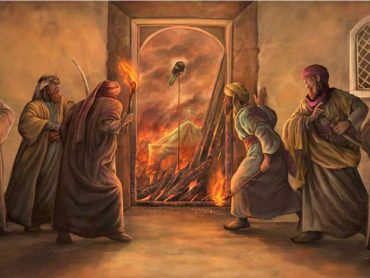
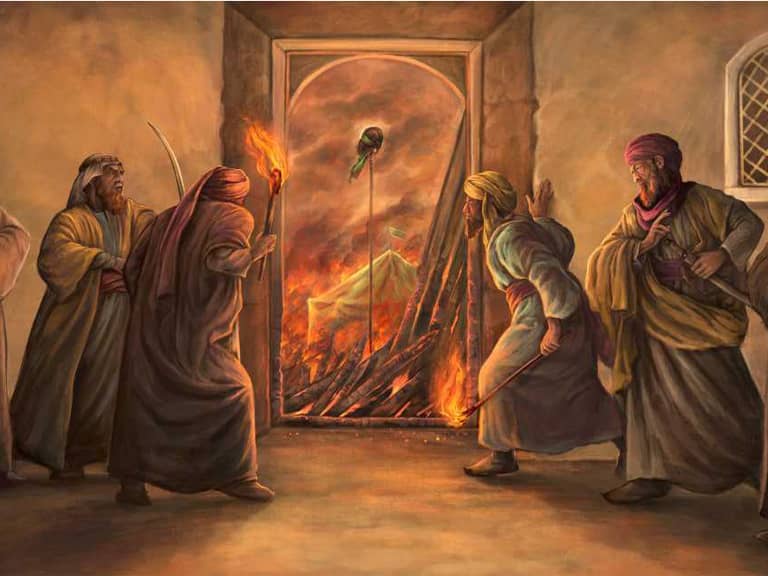
Umar came to the door of the house to bring Amir al-Muminin (peace be upon him) out to pledge allegiance. He asked Fiddah to tell Ali to come out, claiming that the Muslims had agreed on the caliphate of Abu Bakr. Fiddah replied that Amir al-Muminin (peace be upon him) was occupied. Umar threatened that if he did not come out, they would enter the house and drag him out by force.
Lady Fatimah (peace be upon her) stood behind the door and called them misguided liars, asking what they were saying and what they wanted. Umar called out to her. She asked:
“What do you want, Umar?”
He said:
“What is the matter with your cousin, who has sent you to answer for him while he sits behind the veil of the curtain?”
She replied:
“It was your tyranny and rebellion that brought me out of my house, and it has completed the proof against you and against every misguided and deviant person.”
Umar dismissed her words as idle talk and old wives’ tales and demanded again that Ali come out. In response to his threat, she said:
“Do you frighten me with the party of Satan, Umar? Know that the party of Satan is weak and feeble.”
Umar threatened that if Ali did not come out, he would bring a great deal of firewood, set the house on fire and burn its occupants, unless they took Ali away to pledge allegiance. He then seized his whip and began to strike, and he ordered Khalid and his companions to gather firewood. Once again he declared that he would set the house on fire.
Lady Fatimah (peace be upon her) called him an enemy of God, of the Prophet and of Amir al-Muminin, and she pressed her hands against the door to prevent it from being opened. Umar tried to open the door, and when he could not, he struck her hands with the whip. Her cries and weeping rose.
By his own account, he came close to softening and turning back from the door of the house. But his grudges against Ali, and the memory of the Arab notables Ali had killed, came back to him. Even at that moment, he spoke of the Prophet in insulting terms.
Lady Fatimah (peace be upon her) had pressed her body against the door to prevent anyone from entering. Umar kicked the door. Her cry rose, a cry that, as he described it, made him think she had turned Medina upside down:
“O my father! O Messenger of God! This is how your beloved and your daughter is treated! Oh, Fiddah! Come and help me, for by God, my child has been killed.”
She was leaning against the wall, suffering the pains of childbirth. Umar pushed the door and entered the house. Lady Fatimah (peace be upon her) came toward him, but he could not see her blessed face. Then he struck her face through her covering, and her earring broke loose and fell to the ground.
Amir al-Muminin (peace be upon him) came out. As soon as Umar sensed his presence, he hurried out of the house and told Khalid, Qunfudh and their companions that he had escaped a great danger.
In another version of the same incident, his words are given as follows:
“I committed a grave crime for which I do not feel safe. This is Ali, who has come out of the house, and neither I nor any of you has the strength to stand against him.”
Lady Fatimah (peace be upon her) had raised her hand to her forehead and the front of her head to disarrange her hair and cry out to God for help over what had befallen her. Amir al-Muminin (peace be upon him) spread her covering over her head and reminded her that God had sent her father as a mercy to the worlds. He swore that if she asked God to destroy these people, her prayer would be accepted.
He then spoke of her standing, and her father’s, with God. He recalled Noah, whose people were destroyed in the flood; Hud, whose people were seized by a violent wind; and Thamud, who were punished for killing the she-camel and her calf. He reminded her that her standing and her father’s were higher than theirs, and he asked her to let these people, in their misguided state, receive mercy rather than punishment.
The pain grew more intense. Lady Fatimah (peace be upon her) went into the house and miscarried her child, whom Ali named Muhsin.
Umar gathered a large crowd and returned, confessing that he had not brought them together to overpower Ali, but to give himself courage through their presence. The house was besieged, and this time they brought Amir al-Muminin (peace be upon him) out of the house.
References
- Bihar al-Anwar, vol. 30, pp. 286–300, hadith 151. Allamah al-Majlisi narrated this report with the permission of one of the people of learning in Mecca, who stated that he had extracted it from the second part of Dalail al-Imamah.
- Ibid., p. 289: «ما جحدها عمر مذ عبدها»
- «فَأَتَيْتُ دَارَهُ مُسْتَيْشِراً لِإِخْرَاجِهِ مِنْهَا، فَقَالَتِ الْأَمَةُ فِضَّةُ- وَ قَدْ قُلْتُ لَهَا قُولِي لِعَلِيٍّ: يَخْرُجْ إِلَى بَيْعَةِ أَبِي بَكْرٍ فَقَدِ اجْتَمَعَ عَلَيْهِ الْمُسْلِمُونَ فَقَالَتْ- إِنَّ أَمِيرَ الْمُؤْمِنِينَ (ع) مَشْغُولٌ، فَقُلْتُ: خَلِّي عَنْكِ هَذَا وَ قُولِي لَهُ يَخْرُجْ وَ إِلَّا دَخَلْنَا عَلَيْهِ وَ أَخْرَجْنَاهُ كَرْهاً، فَخَرَجَتْ فَاطِمَةُ فَوَقَفَتْ مِنْ وَرَاءِ الْبَابِ، فَقَالَتْ: أَيُّهَا الضَّالُّونَ الْمُكَذِّبُونَ! مَا ذَا تَقُولُونَ؟ وَ أَيَّ شَيْءٍ تُرِيدُونَ؟. فَقُلْتُ: يَا فَاطِمَةُ!. فَقَالَتْ فَاطِمَةُ: مَا تَشَاءُ يَا عُمَرُ؟!. فَقُلْتُ: مَا بَالُ ابْنِ عَمِّكِ قَدْ أَوْرَدَكِ لِلْجَوَابِ وَ جَلَسَ مِنْ وَرَاءِ الْحِجَابِ؟. فَقَالَتْ لِي: طُغْيَانُكَ- يَا شَقِيُّ- أَخْرَجَنِي وَ أَلْزَمَكَ الْحُجَّةَ، وَ كُلَّ ضَالٍّ غَوِيٍّ. فَقُلْتُ: دَعِي عَنْكِ الْأَبَاطِيلَ وَ أَسَاطِيرَ النِّسَاءِ وَ قُولِي لِعَلِيٍّ يَخْرُجْ. فَقَالَتْ: لَا حُبَّ وَ لَا كَرَامَةَ أَ بِحِزْبِ الشَّيْطَانِ تُخَوِّفُنِي يَا عُمَرُ؟! وَ كَانَ حِزْبُ الشَّيْطَانِ ضَعِيفاً. فَقُلْتُ: إِنْ لَمْ يَخْرُجْ جِئْتُ بِالْحَطَبِ الْجَزْلِ وَ أَضْرَمْتُهَا نَاراً عَلَى أَهْلِ هَذَا الْبَيْتِ وَ أُحْرِقُ مَنْ فِيهِ، أَوْ يُقَادَ عَلِيٌّ إِلَى الْبَيْعَةِ، وَ أَخَذْتُ سَوْطَ قُنْفُذٍ فَضَرَبْتُ وَ قُلْتُ لِخَالِدِ بْنِ الْوَلِيدِ: أَنْتَ وَ رِجَالُنَا هَلُمُّوا فِي جَمْعِ الْحَطَبِ، فَقُلْتُ: إِنِّي مُضْرِمُهَا. فَقَالَتْ: يَا عَدُوَّ اللَّهِ وَ عَدُوَّ رَسُولِهِ وَ عَدُوَّ أَمِيرِ الْمُؤْمِنِينَ، فَضَرَبَتْ فَاطِمَةُ يَدَيْهَا مِنَ الْبَابِ تَمْنَعُنِي مِنْ فَتْحِهِ فَرُمْتُهُ فَتَصَعَّبَ عَلَيَّ فَضَرَبْتُ كَفَّيْهَا بِالسَّوْطِ فَأَلَّمَهَا، فَسَمِعْتُ لَهَا زَفِيراً وَ بُكَاءً، فَكِدْتُ أَنْ أَلِينَ وَ أَنْقَلِبَ عَنِ الْبَابِ فَذَكَرْتُ أَحْقَادَ عَلِيٍّ وَ وُلُوعَهُ فِي دِمَاءِ صَنَادِيدِ الْعَرَبِ، وَ كَيْدَ مُحَمَّدٍ وَ سِحْرَهُ، فَرَكَلْتُ الْبَابَ وَ قَدْ أَلْصَقَتْ أَحْشَاءَهَا بِالْبَابِ تَتْرُسُهُ، وَ سَمِعْتُهَا وَ قَدْ صَرَخَتْ صَرْخَةً حَسِبْتُهَا قَدْ جَعَلَتْ أَعْلَى الْمَدِينَةِ أَسْفَلَهَا، وَ قَالَتْ: يَا أَبَتَاهْ! يَا رَسُولَ اللَّهِ! هَكَذَا كَانَ يُفْعَلُ بِحَبِيبَتِكَ وَ ابْنَتِكَ، آهِ يَا فِضَّةُ! إِلَيْكِ فَخُذِينِي فَقَدْ وَ اللَّهِ قُتِلَ مَا فِي أَحْشَائِي مِنْ حَمْلٍ، وَ سَمِعْتُهَا تَمْخَضُ وَ هِيَ مُسْتَنِدَةٌ إِلَى الْجِدَارِ، فَدَفَعْتُ الْبَابَ وَ دَخَلْتُ فَأَقْبَلَتْ إِلَيَّ بِوَجْهٍ أَغْشَى بَصَرِي، فَصَفَقْتُ صَفْقَةً عَلَى خَدَّيْهَا مِنْ ظَاهِرِ الْخِمَارِ فَانْقَطَعَ قُرْطُهَا وَ تَنَاثَرَتْ إِلَى الْأَرْضِ، وَ خَرَجَ عَلِيٌّ، فَلَمَّا أَحْسَسْتُ بِهِ أَسْرَعْتُ إِلَى خَارِجِ الدَّارِ وَ قُلْتُ لِخَالِدٍ وَ قُنْفُذٍ وَ مَنْ مَعَهُمَا: نَجَوْتُ مِنْ أَمْرٍ عَظِيمٍ.» (Bihar al-Anwar, vol. 30, pp. 293–294)
- «وَ فِي رِوَايَةٍ أُخْرَى: قَدْ جَنَيْتُ جِنَايَةً عَظِيمَةً لَا آمَنُ عَلَى نَفْسِي. وَ هَذَا عَلِيٌّ قَدْ بَرَزَ مِنَ الْبَيْتِ وَ مَا لِي وَ لَكُمْ جَمِيعاً بِهِ طَاقَةٌ. فَخَرَجَ عَلِيٌّ وَ قَدْ ضَرَبَتْ يَدَيْهَا إِلَى نَاصِيَتِهَا لِتَكْشِفَ عَنْهَا وَ تَسْتَغِيثَ بِاللَّهِ الْعَظِيمِ مَا نَزَلَ بِهَا، فَأَسْبَلَ عَلِيٌّ عَلَيْهَا مُلَاءَتَهَا وَ قَالَ لَهَا: يَا بِنْتَ رَسُولِ اللَّهِ! إِنَّ اللَّهَ بَعَثَ أَبَاكِ رَحْمَةً لِلْعالَمِينَ، وَ ايْمُ اللَّهِ لَئِنْ كَشَفْتِ عَنْ نَاصِيَتِكِ سَائِلَةً إِلَى رَبِّكِ لِيُهْلِكَ هَذَا الْخَلْقَ لَأَجَابَكِ حَتَّى لَا يُبْقِيَ عَلَى الْأَرْضِ مِنْهُمْ بَشَراً، لِأَنَّكِ وَ أَبَاكِ أَعْظَمُ عِنْدَ اللَّهِ مِنْ نُوحٍ (ع) الَّذِي غَرَّقَ مِنْ أَجْلِهِ بِالطُّوفَانِ جَمِيعَ مَنْ عَلَى وَجْهِ الْأَرْضِ وَ تَحْتَ السَّمَاءِ إِلَّا مَنْ كَانَ فِي السَّفِينَةِ، وَ أَهْلَكَ قَوْمَ هُودٍ بِتَكْذِيبِهِمْ لَهُ، وَ أَهْلَكَ عَاداً بِرِيحٍ صَرْصَرٍ، وَ أَنْتِ وَ أَبُوكِ أَعْظَمُ قَدْراً مِنْ هُودٍ، وَ عَذَّبَ ثَمُودَ- وَ هِيَ اثْنَا عَشَرَ أَلْفاً- بِعَقْرِ النَّاقَةِ وَ الْفَصِيلِ، فَكُونِي يَا سَيِّدَةَ النِّسَاءِ- رَحْمَةً عَلَى هَذَا الْخَلْقِ الْمَنْكُوسِ وَ لَا تَكُونِي عَذَاباً، وَ اشْتَدَّ بِهَا الْمَخَاضُ وَ دَخَلَتِ الْبَيْتَ فَأَسْقَطَتْ سِقْطاً سَمَّاهُ عَلِيٌّ: مُحَسِّناً، وَ جَمَعْتُ جَمْعاً كَثِيراً، لَا مُكَاثَرَةً لِعَلِيٍّ وَ لَكِنْ لِيَشُدَّ بِهِمْ قَلْبِي وَ جِئْتُ- وَ هُوَ مُحَاصَرٌ- فَاسْتَخْرَجْتُهُ مِنْ دَارِهِ مُكْرَهاً مَغْصُوباً وَ سُقْتُهُ إِلَى الْبَيْعَةِ سَوْقاً، وَ إِنِّي لَأَعْلَمُ عِلْماً يَقِيناً لَا شَكَّ فِيهِ لَوِ اجْتَهَدْتُ أَنَا وَ جَمِيعُ مَنْ عَلَى الْأَرْضِ جَمِيعاً عَلَى قَهْرِهِ مَا قَهَرْنَاهُ، وَ لَكِنْ لِهَنَاتٍ كَانَتْ فِي نَفْسِهِ أَعْلَمُهَا وَ لَا أَقُولُه.» (Bihar al-Anwar, vol. 30, pp. 294–295)