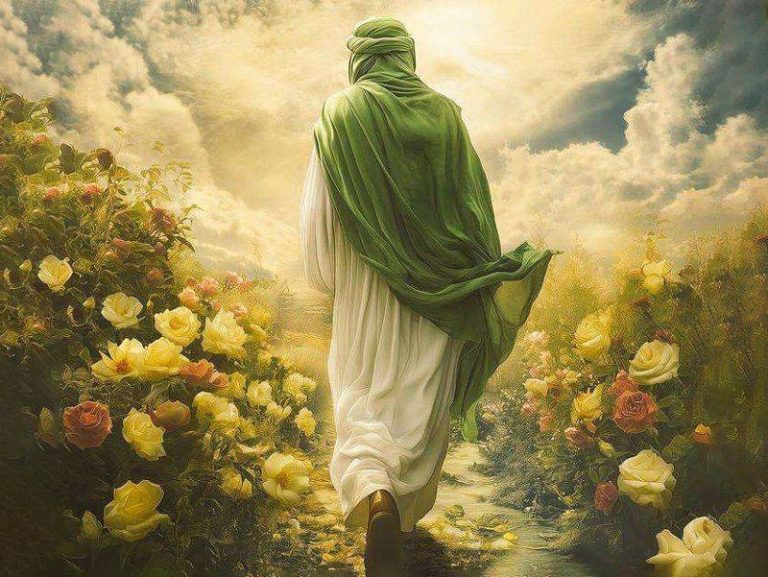
In Shia thought, awaiting relief is a profound belief and an active stance. Imam Ali (peace be upon him), by elucidating its true status, described it as the most beloved deed in the sight of God—an act equal in rank to striving in the cause of truth.
The Meaning of Awaiting Relief
Awaiting implies dissatisfaction with an unjust or deficient reality and a sincere effort toward a better and more righteous condition. Relief (faraj) signifies divine opening and deliverance, which typically follows periods of hardship and pressure.
Within the logic of awaiting relief, difficulties are not grounds for despair; rather, they are understood as preludes to divine mercy and deliverance.
The Importance of Awaiting Relief
According to this perspective, trials must not lead to hopelessness, but instead should strengthen trust in God’s promise of relief. Thus, when Zayd ibn Suhan asked Amir al-Muminin (peace be upon him), “Which deed is most beloved to God?” the Imam replied:
“Awaiting relief.”
This response clearly establishes awaiting relief as a central act of devotion.
Constructive and Conscious Awaiting
The era of occultation is marked by severe ideological and spiritual trials that can weaken faith. For this reason, the Ahl al-Bayt consistently called believers to perseverance, hope, and conscious awaiting.
Imam Jafar al-Sadiq (peace be upon him), narrating from Amir al-Muminin (peace be upon him), said:
“Await relief and do not despair of God’s mercy, for the most beloved deed before God Almighty is awaiting relief.”
Thus, awaiting relief is a divinely sanctioned act that safeguards the believer from despair, even in the harshest circumstances.
The True Awaiter
In genuine awaiting, there is no place for despair or passivity. A society that truly awaits is vibrant, resilient, and dynamic—constantly refining its way of life according to a correct understanding of the Quran and divine guidance.
Amir al-Muminin (peace be upon him) described the true awaiter as follows:
“One who awaits our cause (the relief of the Imam) is like a warrior who has been stained with his blood in the path of God.”
This powerful analogy reflects the lofty rank of awaiting relief and its equivalence to try in God’s cause.
The Reward of Those Who Await the Appearance
Awaiting the appearance of the Imam al-Mahdi (may God hasten his noble reappearance) is among the foremost duties of a believer—and it is never without reward. Amir al-Muminin (peace be upon him) said:
“Whoever obeys the Ahl al-Bayt shall be with us in the Sacred Precinct, and whoever awaits the realization of our cause shall receive the reward of one who struggles in God’s path until stained with his own blood.”
For those living in the era of occultation, this reward alone is sufficient honor: to be counted among the warriors of God.
The Hardships of the Awaiters in the End Times
In the end times, when waves of trials and tribulations press upon humanity from every direction, believers must not surrender to despair. Rather, such hardships should be seen as signs that divine relief is drawing near.
Amir al-Muminin (peace be upon him) said:
“When hardship reaches its peak, relief is near; and when the circles of affliction tighten, ease and comfort soon follow.”
In another narration, Amir al-Muminin (peace be upon him) stated:
“How prolonged is this hardship, and how distant relief appears.”
This does not indicate hopelessness; rather, it highlights human responsibility. When believers prepare the conditions for the appearance—through self-purification, readiness, and persistent supplication—the relief draws near. When these are neglected, it is delayed. Thus, from one perspective, relief is near; from another, it appears distant.
The Responsibility of the Awaiters
A true awaiter of Imam al-Mahdi (may God hasten his noble reappearance) is one who aligns his way of life with the pleasure and will of his Imam, striving to merit divine grace and special attention.
Amir al-Muminin (peace be upon him) said regarding the role of the Imam among the people:
“My example among you is that of a lamp in darkness; whoever enters the darkness benefits from its light. So listen to my words and prepare the ears of your hearts to comprehend them.”
At the same time, yearning for the appearance without preparedness and responsibility may lead to haste and regret. For this reason, Amir al-Muminin (peace be upon him) cautioned:
“Do not hasten toward what is yet to come… for many who rush toward something later wish they had never reached it.”
On the path of awaiting relief, what truly matters is servitude, obedience, and submission to a Wise God whose mercy encompasses all existence.
Awaiting relief is not merely anticipation of the future; it is a faithful way of life during the era of occultation—a path that calls believers to constant readiness, personal and social reform, and steadfast movement along the path of truth, in preparation for the appearance of the final divine proof and the realization of universal justice on earth.