The Intellectual and Cultural Affairs Department of the Holy Alawi Shrine announced the completion of the first phase of the “Alawi Calligraphy Works Collection” project—a high-caliber collection of calligraphy on the subject of Amir al-Muminin’s (peace be upon him) life, virtues, and wisdoms, carried out with the participation of 40 prominent calligraphers from the Arab world and Islamic countries. The announcement was made as part of the International Ghadir Week programs.
In this regard, Karrar al-Hillu, head of the Intellectual and Cultural Affairs Department at the Holy Alawi Shrine, stated:
“This project is a rare artistic and cultural event that blends the authenticity of calligraphy art with the intellectual heritage of Islam, and it’s an important step in documenting and preserving the genuine art of Arabic script. The work also showcases the exalted status of Amir al-Muminin (peace be upon him) in Islamic heritage through artistic creations.”
Planning and Preparation
Mr. al-Hillu explained:
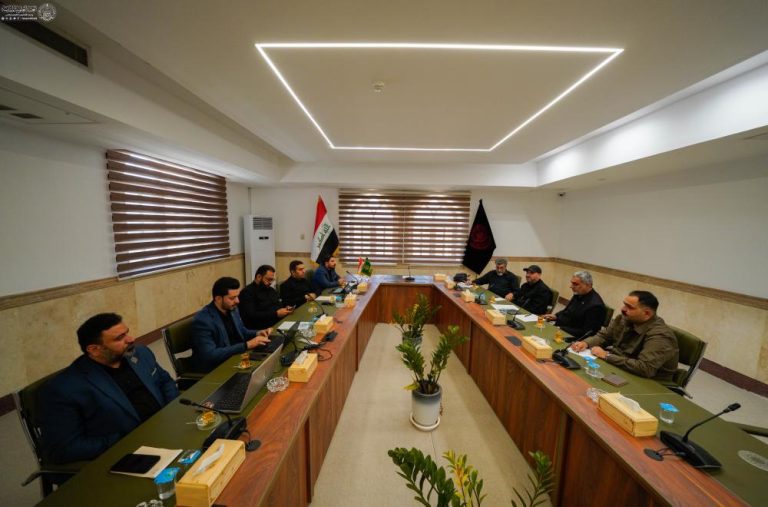
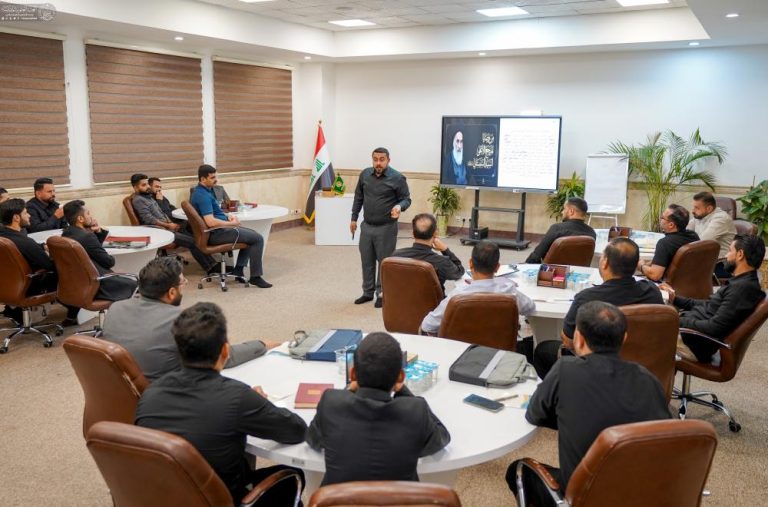
“This project came to fruition after months of planning and preparatory work. This process included meeting administrative requirements, forming specialized committees to select, review, and edit the texts, as well as setting the technical criteria concerning the dimensions of the works, type of paper, ink, and pens used.”
International Participation
He added:
“The project management reached out to some of the most prominent calligraphers in the Arab world and Islamic countries. As a result, around 40 international masters of calligraphy—well-known figures in this art globally—participated in this collective work, each showcasing their own style and artistry.”
Authentic and Documented Texts
Mr. al-Hillu also stated:
“The selected texts include the virtues of Amir al-Muminin (peace be upon him) as narrated from the Final Prophet, chosen after verifying their authenticity and sources in respected Shia and Sunni works. Additionally, another part of the collection is dedicated to a selection of the wisdoms of Amir al-Muminin (peace be upon him) from Nahj al-Balaghah.”
Diversity of Calligraphic Schools
He emphasized:
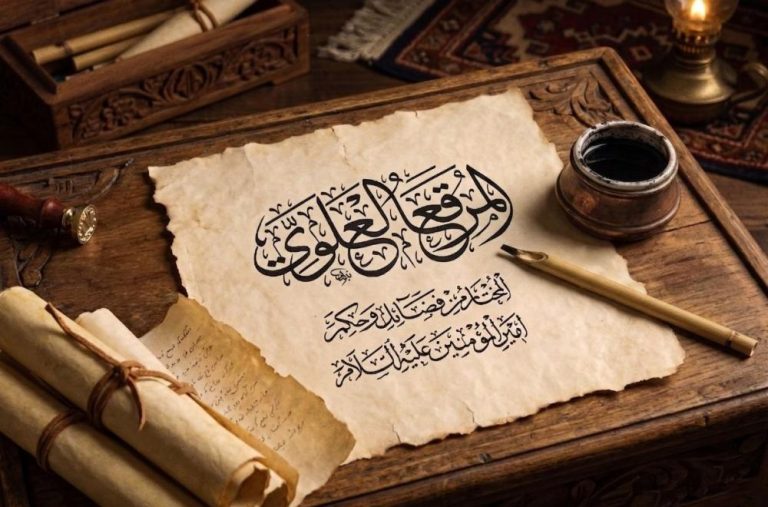
“In carrying out this project, the highest scientific and artistic standards of calligraphy were observed—Thuluth script was used to write the wisdoms of Amir al-Muminin (peace be upon him), while Naskh script was used for the Alawi virtues. This artistic combination showcases the beauty and elegance of classical Arabic calligraphy.”
Mr. al-Hillu noted that the distinctive feature of the “Alawi Calligraphy Works Collection” is bringing together 40 schools and styles of calligraphy in a single collection—something that provides a rare opportunity for audiences to get familiar with the various styles and characteristics of Arabic and Islamic calligraphy art.
Presenting Alawi Wisdoms and Virtues in an Artistic Form
Meanwhile, Khudhayr al-Aboudi, a member of the project’s supervisory committee, stated that the organizing committee collaborated with a group of the most prominent calligraphy masters inside and outside Iraq who have distinguished track records and valuable artistic works. According to him, choosing well-known and creative artists has made this collection worthy of the lofty Alawi themes.
He added that the forty works created for this project are proof of the participants’ professional skill and of authentic art’s ability to present the wisdoms and merits of Amir al-Muminin (peace be upon him) in an artistic and refined form—a form that connects beauty, artistic precision, and cultural message.
It’s worth mentioning that the “Alawi Calligraphy Works” project is a pioneering cultural endeavor through which the Holy Alawi Shrine seeks to document, preserve, and introduce the precious heritage of Amir al-Muminin (peace be upon him) by drawing on creative works in the field of calligraphy and Islamic art.